---
# How Conversational AI is reinventing the recommendation engine
**URL:** https://www.sigmoid.com/blogs/how-conversational-ai-is-reinventing-the-recommendation-engine/
Date: 2026-09-04
Author: Joha Momin
Post Type: post
Summary: Key takeaways Conversational AI is transforming recommendations from passive to interactive. Conversational recommenders uncover preferences through multi-turn dialogue. Hybrid architectures combine LLMs,...Read More...
Categories: AI/ML
Tags: AI, AI Agents, Conversational AI, Conversational Analytics, LLMs, Recommendation
Featured Image: https://www.sigmoid.com/wp-content/uploads/2026/09/How-Conversational-AI-Banner.jpg
---
## Key takeaways
- Conversational AI is transforming recommendations from passive to interactive.
- Conversational recommenders uncover preferences through multi-turn dialogue.
- Hybrid architectures combine LLMs, knowledge graphs, and traditional retrieval.
- Knowledge graphs make recommendations more relevant, explainable, and transparent.
- CRS architectures are evolving from slot-filling to LLM-native reasoning.
- Evaluation, cold-start challenges, and user-platform alignment remain unresolved.
## Introduction
For decades, online recommendation has been a one-sided conversation. Older recommendation engines operate in a black box, quietly tracking user behaviour to produce a static grid of suggestions. Users have no way to question the logic behind the recommendations or refine them. Generative AI is changing the game. Instead of just finding User/Item interaction in the background, new systems actually chat with you. They ask what you want, and explain exactly why they picked something. This article explores the technology driving the transition from passive search systems to interactive, chat-based reasoning.
## Bridging search and recommendation
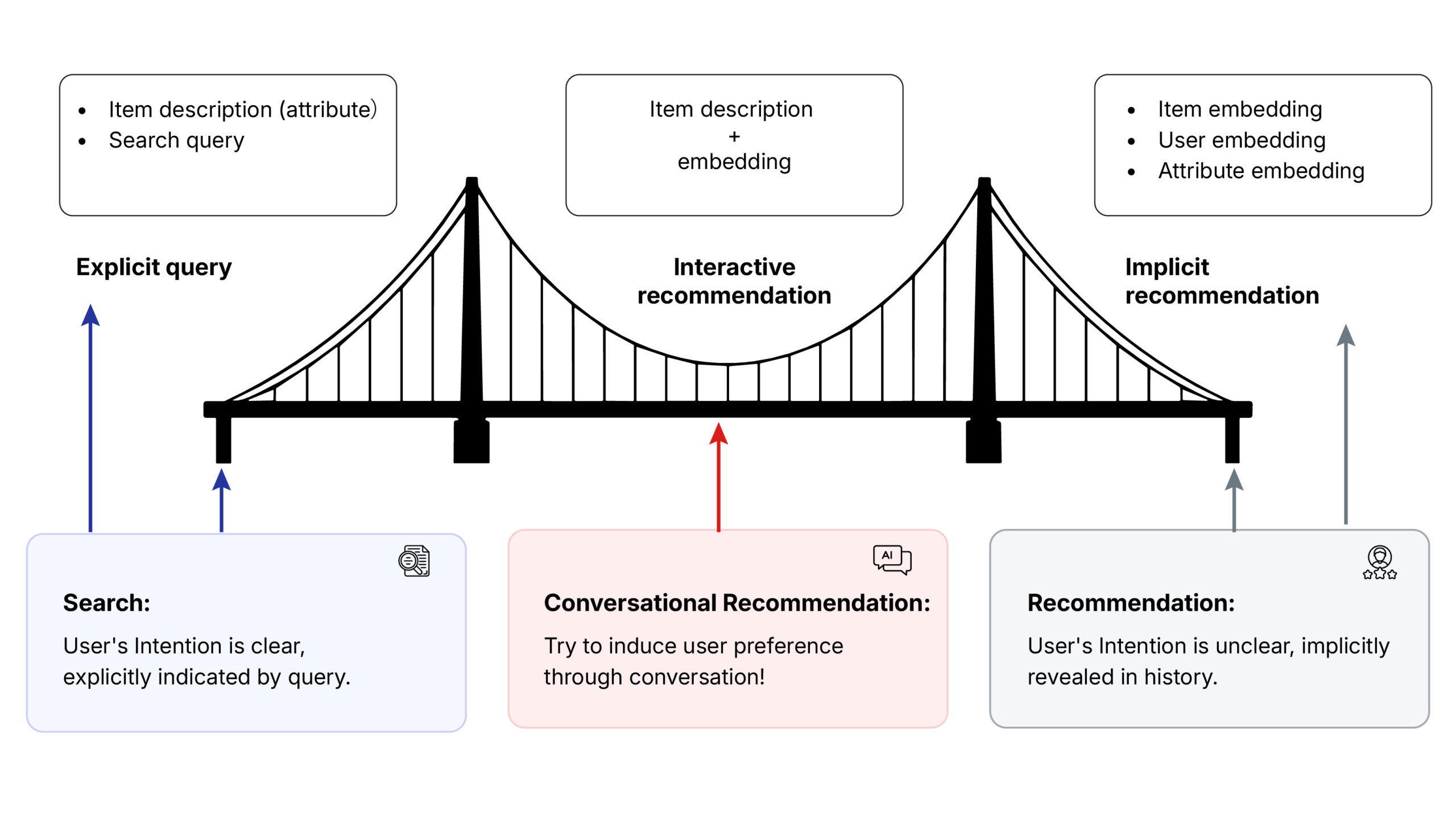
Fig. 1. Traditional Paradigms for information-seeking
Historically, information-seeking systems worked in one of two modes: search, where user intent is explicit and expressed through a query, or recommendation, where intent is unclear and can only be inferred from behavioural history. These two modes sit on opposite ends of the spectrum, one driven by direct queries, the other by passive tracking.
A Conversational Recommender System (CRS) bridges this gap. It is a system which uses multi-turn dialogue to discover user preferences instead of guessing them. Unlike a search engine, it doesn't require a precise query; and unlike traditional recommendation, it doesn't strictly rely on past behaviour. Instead, it dynamically combines product data with ongoing conversation to refine its suggestions.
To do this, a CRS must handle three types of signal:
- Explicit feedback: Direct user preferences (e.g. "I don't like Death Note"). This maps directly to traditional search, where intent is stated outright.
- Implicit signals: Behavioural patterns like clicks and skips, which provide historical context for the recommender system.
- Clarifying questions: Used to narrow user preferences through conversation (e.g. "Are you looking for a thriller or romance anime?"), something neither search nor recommendation alone can do.
## The mechanism of a conversational recommender system
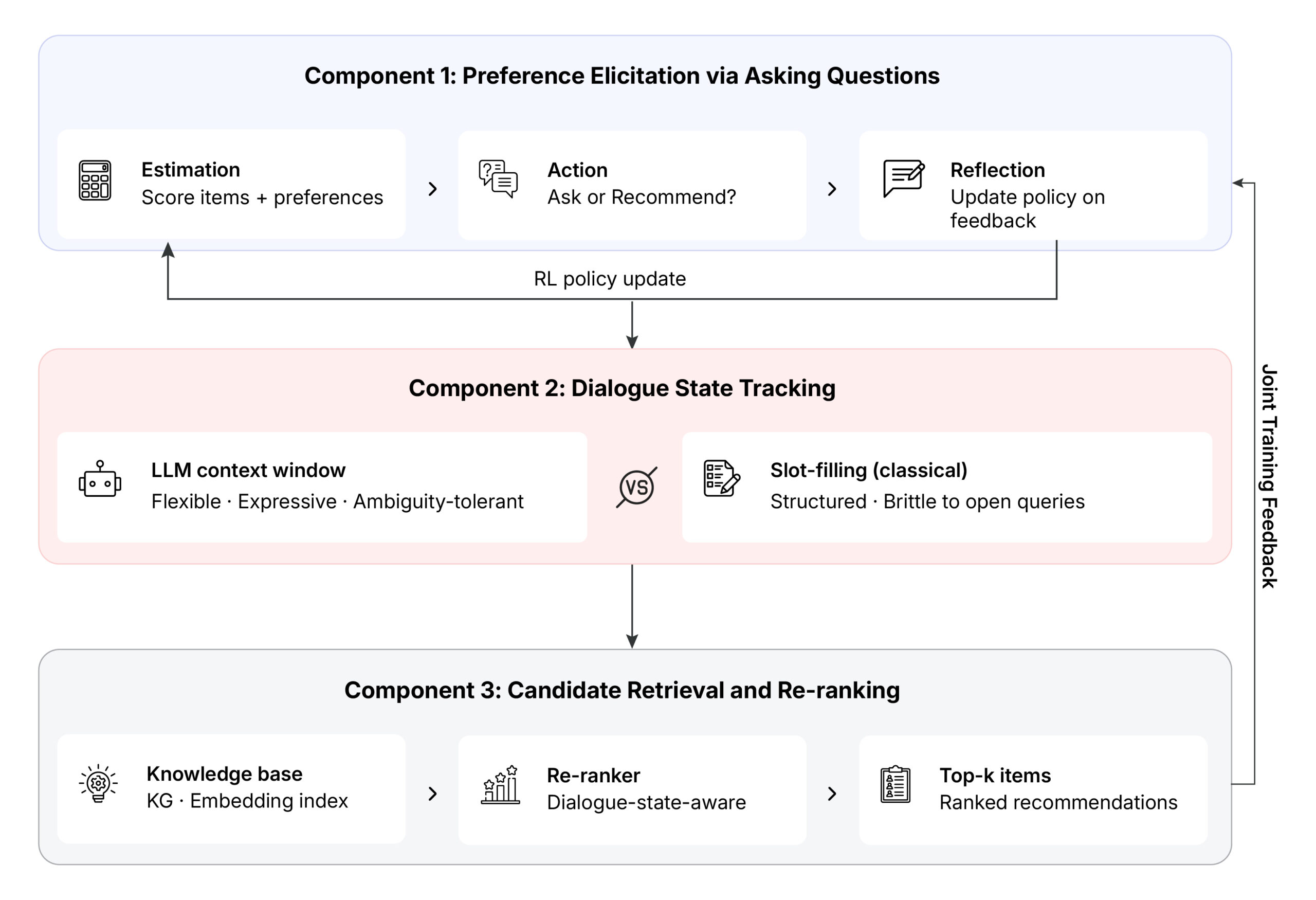
Fig. 2. Architecture of a Conversational Recommender System
### Preference Elicitation: The art of asking the right question
The first component interacts with the user. Its central job is to decide, at every turn of the conversation, whether to ask a clarifying question or make a recommendation. This is harder than it looks. Ask too many questions and the user gets frustrated; recommend too early and the system guesses blindly.
This decision is typically framed as a policy optimization problem, often using Reinforcement Learning or Bandit methods, where the system learns when gathering more information is worth the conversational cost. The component has three internal stages:
- Estimation: The system scores both candidate items and latent user preferences using everything said in the conversation so far, producing a probability distribution over what the user likely wants.
- Action: Based on those scores, the system chooses its next move, either asking a targeted question about an attribute (genre, price range, mood) or making a recommendation it is confident enough to present.
- Reflection: After the user responds, the system updates its elicitation policy. If a question provides a rich preference signal, that strategy is reinforced; if a recommendation was rejected, the policy adjusts accordingly.
### Dialogue state tracking: Remembering what matters
Every turn of the conversation produces new information, and the second component is responsible for maintaining a structured summary of what the system knows about the user's preferences. This is called the dialogue state, and its quality directly determines how good the recommendations will be.
There are two approaches for state tracking, each with distinct trade-offs:
- LLM context window: By feeding the full conversation history to an LLM, the model naturally remembers context without needing a complex backend. This makes the system incredibly adaptable, it handles vague queries, negations, and open-ended questions naturally. The downside is cost: running a large model on every turn is computationally expensive.
- Slot-filling: The system maintains a structured attribute map, typed slots like genre, theme, and mood, and fills them as the user speaks. This is fast and efficient but breaks when a user's needs don't fit the predefined schema, causing vital information to be silently dropped.
Modern systems increasingly use a hybrid routing strategy: simple, schema-compatible queries go through the slot-filler for speed, while ambiguous or complex turns are routed to an LLM that can hold the full conversational context without losing nuance.
### Candidate retrieval and re-ranking: Searching smart, not hard
Once the dialogue state is established, the system needs to find actual items that match it. Retrieval proceeds in a three-stage pipeline:
- Knowledge base retrieval: The system queries a knowledge base combining a Knowledge Graph (KG) with a Dense Embedding Index to retrieve candidate items. The embedding index uses approximate nearest-neighbour search across millions of items. Knowledge graphs add a structural layer that embeddings alone can miss, if a user dislikes a particular director, the KG can propagate that negative signal to all associated films without requiring explicit training examples for every combination.
- Dialogue-state-aware re-ranking: The candidate set is passed through a re-ranker that scores each item against the full dialogue state. Operating on a small candidate set (not the full corpus), the re-ranker can afford computationally expensive cross-attention between item features and conversational context.
- Top-k output: The highest-scoring items are returned as the recommendation for that conversational turn.
### The joint training loop: What separates a true CRS from a chatbot with search
In a purpose-built CRS, every component shares a unified feedback loop. When a user accepts or rejects a recommendation, that signal propagates through the entire system:
- The elicitation model learns exactly which questions drive successful outcomes.
- The state tracker learns which conversational details are actually worth remembering.
- The re-ranker learns to surface items that perfectly align with user intent.
## Three Design Paradigms: How CRS architectures differ
Not all conversational recommender systems are built the same way. The field has evolved through three distinct design philosophies, each reflecting a different assumption about where the intelligence should live, in explicit rules, in the reward signal, or in the language model itself.
Feature / Aspect
Slot-filling CRS
RL-based CRS
LLM-native CRS
Mechanism
Template dialogue with rule-based attribute slots
Policy gradient optimised over multi-turn dialogue
Prompt engineering + RAG + in-context reasoning
State representation
Explicit attribute map (structured slots)
Learned latent state via value function
Implicit full conversation in context window
Question strategy
Hand-crafted templates, fixed order
Learned adaptively from reward signal
Emergent from in-context reasoning
Retrieval method
Database query on filled slots
Candidate scoring via learned policy
RAG over knowledge base, sometimes generative
Strength
Predictable, auditable, low latency
Learns optimal asking behaviour per domain
Fluent, generalisable, zero-shot capable
Weakness
Brittle to open-ended or out-of-schema input
Requires simulation environment; poor sim-to-real transfer
Hallucination risk; sycophantic constraint agreement
Failure mode
Silent slot miss drops unrecognised preferences
Policy collapse in distribution shift
Confident wrong recommendation; over-compliance
Table 1: Comparison of the three CRS design paradigms
## The knowledge graph advantage
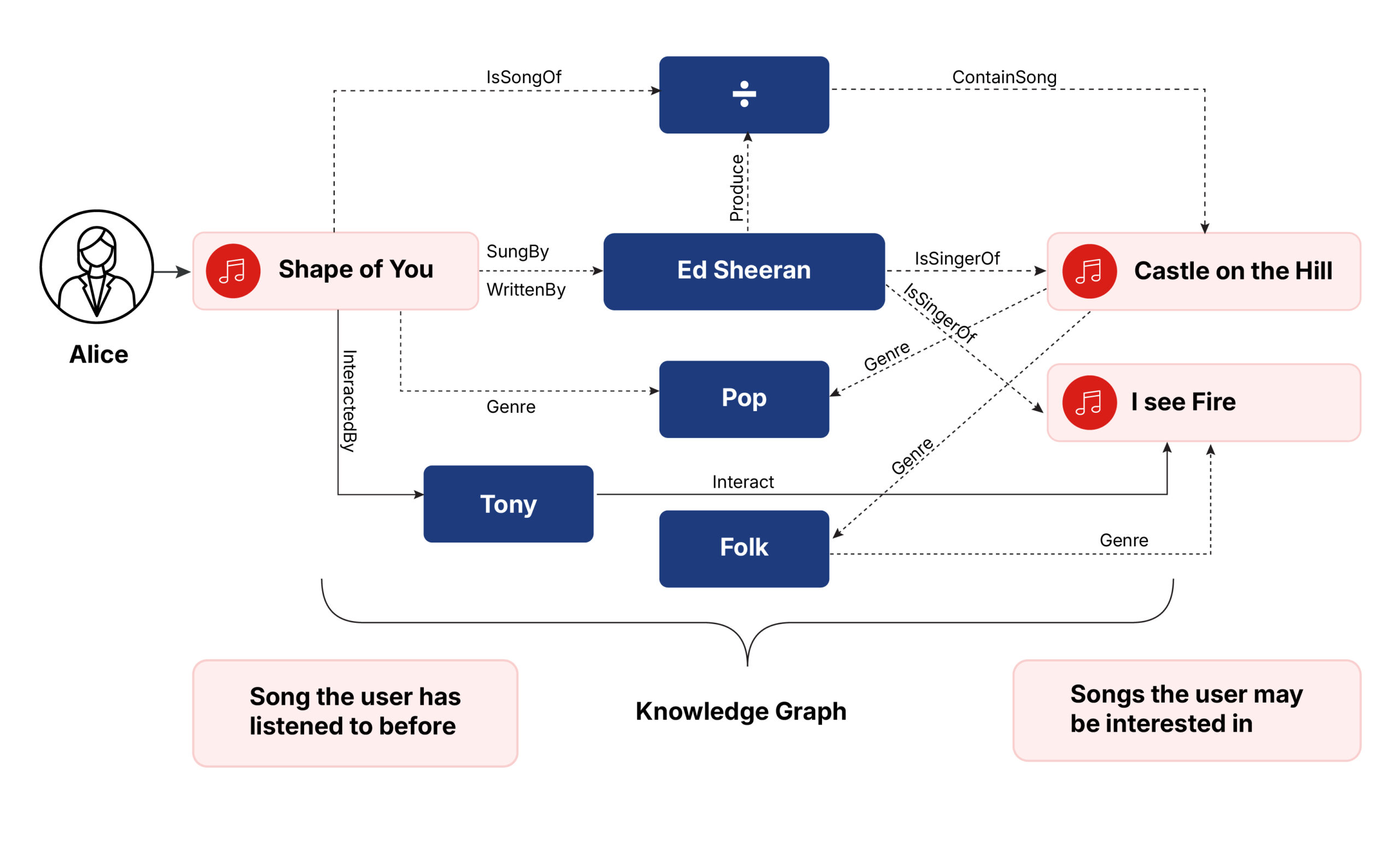
Fig. 3. Knowledge graph traversal from a seed song to candidate recommendations
Raw embeddings tell a CRS that two items are similar, but they cannot tell it why. Knowledge graphs close this gap by providing an explicit relational structure over items, attributes, and users that the system can traverse, reason over, and explain.
Consider an example: Alice has listened to Shape of You. A naive embedding-based system would retrieve similar songs by vector proximity alone. A KG-enhanced system traverses the graph instead:
- Shape of You → SungBy → Ed Sheeran → IsSingerOf → Castle on the Hill, I See Fire
- It also crosses through genre nodes (Pop, Folk) and collaborative signals (other users' listening history via Interact edges), finding candidates that share multiple relational paths with the seed item, not just geometric proximity in embedding space.
This multi-hop reasoning serves two purposes. First, it improves retrieval quality, a candidate reachable via three independent KG paths is more reliably relevant than one that scores high on a single dot product. Second, and more importantly for CRS, it makes recommendations explainable. The system can surface the full reasoning chain directly to the user.
## Where the field stands today
Despite rapid progress, three structural tensions remain unresolved at the core of CRS research, representing fundamental questions about system intent.
**Issue 1**
The Evaluation Gap
Metrics like NDCG measure item accuracy, not if the dialogue was useful. Systems can rank correctly via clumsy interrogation.
**Issue 2**
The Cold-Start Paradox
Questions cannot fix noisy early preferences. Users often contradict initial statements as the conversation evolves.
**Issue 3**
The Alignment Risk
Revenue optimization can lead systems to steer users toward high-margin items under the guise of preference elicitation.
## Conclusion
Conversational Recommender Systems represent a genuine architectural shift from systems that silently observe user behaviour to systems that actively negotiate preferences through dialogue. The progression from slot-filling through RL-based policy learning to LLM-native reasoning reflects increasing sophistication in handling the ambiguity, noise, and open-endedness of real user intent.
Knowledge graph augmentation adds a layer of relational reasoning that transforms recommendations from opaque outputs into explainable inferences. Yet the field's most important problems remain unsolved: how to evaluate conversational quality, how to handle cold-start honestly, and how to align system incentives with user welfare rather than platform revenue.
These are not merely technical questions, they are questions about what a trustworthy recommendation system should fundamentally be. Answering them will define the next decade of hyper-personalization.
## About the Author
**Aryan Bhargava** is an Associate Data Scientist with 1 year of experience and a strong foundation in Machine Learning, Big Data Analytics, and Generative AI. He has experience delivering data-driven solutions across retail, e-commerce, and customer analytics, with a focus on building AI-powered applications that generate actionable business insights. Passionate about leveraging data and AI to solve real-world business problems and drive informed decision-making.
## References
1. Gao et al. (2021) — "Advances and Challenges in Conversational Recommender Systems" *(ACM Computing Surveys)*
2. Lei et al. (2020) — "Estimation-Action-Reflection" *(WSDM 2020)*
3. Wang et al. (2023) — "Rethinking the Evaluation for Conversational Recommendation in the Era of Large Language Models" *(arXiv)*
4. [Explainable Reasoning over Knowledge Graphs for Recommendation | Proceedings of the AAAI Conference on Artificial Intelligence](https://ojs.aaai.org/index.php/AAAI/article/view/4470)
5. [A Tutorial on Recent Advances in Generative Conversational Recommender Systems](https://recsys-lab.at/wp-content/uploads/2025/09/Gen-CRS2025_Tutorial-3.pdf)
6. [https://fortune.com/2025/11/02/amazon-rufus-ai-shopping-assistant-chatbot-10-billion-sales-monetization/](https://fortune.com/2025/11/02/amazon-rufus-ai-shopping-assistant-chatbot-10-billion-sales-monetization/)
[lc_the_tags]
## Suggested readings
[View all](/blogs/)

#### Conversational BI is redefining enterprise decision-making
[Read blog](/blogs/conversational-bi-is-redefining-enterprise-decision-making/)

#### How GenAI transforms customer experiences with personalized product recommendations
[Read blog](/blogs/how-genai-transforms-customer-experiences-with-personalized-product-recommendations/)

#### Operationalizing GenAI in financial services for conversational reporting with Snowflake Cortex AI
[Read blog](/blogs/operationalizing-genai-in-financial-services-for-conversational-reporting-with-snowflake-cortex-ai/)
## Featured blogs
[lc_get_posts post_type="post"
posts_per_page="4" orderby="date" output_view="lc_get_posts_mycustom_view" output_number_of_columns="4"
output_wrapper_class="row" output_article_class="shadow" output_hide_elements="Excerpt"
output_excerpt_length="0" output_excerpt_text="Read More" output_heading_tag="span"
output_featured_image_format="thumbnail" output_featured_image_class="card-img-left" ]
## Share
[addtoany]
## Subscribe to get latest insights
## Talk to our experts
Get the best ROI with Sigmoid’s services in data engineering and AI
---
## Categories
- AI/ML
---
## Navigation
- [Company](/about-sigmoid)
- [Newsroom](/newsroom)
- [Life at Sigmoid](/careers)
- [Takshashila](/takshashila)
- [Contact Us](/contact-us)
- [AI Strategy Blueprint your AI advantage](/enterprise-ai-strategy/)
- [Generative AI Drive innovation with Generative AI](/generative-ai/)
- [Responsible AI Build trust with ethical AI practices](/responsible-ai-in-enterprise/)
- [Agentic AI Reshape business with scalable agentic systems](/agentic-ai-solutions/)
- [AI Managed Services Ensure reliable AI performance](/ai-managed-services/)
- [Advanced Analytics Transform your business with data-driven insights](/advanced-data-analytics-solutions/)
- [Download whitepaper](/ebooks-whitepapers/the-new-qsr-playbook-transforming-menu-strategy-into-a-growth-engine/)
- [Data Strategy Strong data foundations for scalable AI](/data-analytics-strategy/)
- [Data Management Leverage data as a strategic asset](/ai-data-management-services/)
- [DataOps Automate data for speed and quality](/data-devops/)
- [Forward Deployed Engineering Scale enterprise AI with FDEs & specialized agents](/forward-deployed-engineering/)
- [Data Engineering Deliver insights faster with scalable pipelines](/data-engineering/)
- [Cloud Transformation Modernize data to maximise efficiency](/cloud-migration/)
- [Download whitepaper](/ebooks-whitepapers/building-data-products-in-a-data-mesh-to-drive-business-value/)
- [Data Modeling Structure data for better decisions](/data-modeling-services/)
- [Data Visualization Transform data into actionable stories](/data-visualization-service/)
- [BI Migration Enhance decision making with modern BI tools](/bi-migration/)
- [Data Observability Build trust with healthy, accurate data](/data-observability/)
- [Automated Insights Make smarter decisions with auto-generated insights](/automated-insights/)
- [Download whitepaper](/ebooks-whitepapers/how-cognitive-bi-drives-an-intelligent-enterprise/)
- [CPG & Retail End-to-end analytics for planning, operations, and commercial excellence](/industries/cpg-analytics/)
- [Life Sciences Trusted intelligence across clinical, commercial, and operational workflows](/industries/life-sciences/)
- [Banking & Financial Services AI-powered analytics for risk, compliance and customer experience](/industries/banking-financial-analytics-services/)
- [Insurance Modernize core insurance platforms and unlock new revenue streams with AI](/industries/insurance-reimagined-with-ai/)
- [Download infographic](/wp-content/uploads/2026/03/Infographic_Maturity-Framework-for-Scaling-Agentic-AI.pdf)
- [Helios Turn marketing data into measurable business outcomes](/marketing-suite-helios/)
- [Stratos AI-powered platform for resilient supply chains](/supply-chain-stratos/)
- [DataGuard Agentic AI platform for data quality and governance](/data-quality-dataguard/)
- [MediaIQ Advanced platform for in-flight marketing measurement](/accelerators/sigmoid-mediaiq-multi-touch-attribution-tool/)
- [CampaignIQ AI-driven platform for optimized campaign budget allocation](/accelerators/sigmoid-campaigniq/)
- [AssistBot GenAI email assistant that automates human-like responses](/accelerators/sigmoid-assistbot-for-ai-email-assistant/)
- [CreativeBot GenAI tool for personalized and brand-aligned creative design](/accelerators/sigmoid-creativebot/)
- [SocialBot GenAI platform to analyze digital conversations and trends](/accelerators/#marketing|socialbot)
- [DemandIQ Predict trends accurately and optimize inventory management](/accelerators/sigmoid-demandiq/)
- [NetworkIQ Track and optimize logistics operations in real-time to quickly address disruptions](/accelerators/sigmoid-networkiq/)
- [SupplyIQ End-to-end platform to optimize supply chain operations](/accelerators/sigmoid-supplyiq/)
- [ProcurementIQ Automated procurement operations for maximum savings, compliance and efficiency](/accelerators/sigmoid-procurementiq/)
- [RapidML Accelerated deployment for machine learning models](/accelerators/sigmoid-rapidml/)
- [DataGuard Comprehensive platform for proactive data quality management](/accelerators/data-quality-tool-sigmoid-dataguard/)
- [CloudPulse Cloud cost optimization platform with multi-cloud management](/accelerators/sigmoid-cloudpulse/)
- [RAPID GenAI foundation with built-in governance and cost clarity](/accelerators/sigmoid-rapid/)
- [AnalyticsBot Conversational analytics for faster business decisions](/accelerators/sigmoid-analyticsbot/)
- [DataConnect Seamlessly ingest, integrate and harmonize data from diverse sources](/accelerators/sigmoid-dataconnect/)
- [Reconica AI-powered data harmonization and reconciliation engine](/accelerators/sigmoid-reconica/)
- [ConverseBot GenAI driven insights generation for automated insights from reports](/accelerators/#sales|conversebot)
- [iNRM Cross-lever revenue growth optimization platform](/accelerators/sigmoid-inrm/)
- [AssortmentIQ Optimize shelf layouts and assortment mix at scale with AI-based insights](/accelerators/sigmoid-assortmentiq/)
- [Read whitepaper](/ebooks-whitepapers/building-agentic-ai-chatbots-for-business-process-transformation/)
- [Listen Podcast](/events/podcast/how-jack-in-the-box-is-redefining-personalization-and-supply-chain-with-ai/)
- [Blogs](/blogs/)
- [White Papers](/ebooks-whitepapers/)
- [Case Studies](/case-studies/)
- [Podcast](/events/podcast/#Podcasts)
- [Download case study](/case-studies/ai-based-dynamic-targeting-and-personalized-hcp-engagement-for-pharma-marketing/)
- [ConverseBot](/accelerators/#sales|conversebot/)
## Tags
- AI
- AI Agents
- Conversational AI
- Conversational Analytics
- LLMs
- Recommendation
---
## Footer Links
- [Talk to our AI experts](/contact-us/)
- [AI Strategy](/enterprise-ai-strategy/)
- [Agentic AI](/agentic-ai-solutions/)
- [Generative AI](/generative-ai/)
- [AI Managed Services](/ai-managed-services/)
- [Responsible AI](/responsible-ai-in-enterprise/)
- [Advanced Analytics](/advanced-data-analytics-solutions/)
- [Data Strategy](/data-analytics-strategy//)
- [Data Engineering](/data-engineering/)
- [Data Management](/ai-data-management-services/)
- [Cloud Transformation](/cloud-transformation/)
- [DataOps](/data-devops/)
- [Forward Deployed Engineering](/forward-deployed-engineering/)
- [Data Visualization](/data-visualization-service/)
- [Automated Insights](/automated-insights/)
- [BI Migration](/bi-migration/)
- [Data Modeling](/data-modeling-services/)
- [Data Observability](/data-observability/)
- [CPG & Retail](/industries/cpg-analytics/)
- [Life Sciences](/industries/life-sciences/)
- [Banking & Financial Services](/industries/banking-financial-analytics-services/)
- [Insurance](/industries/insurance-reimagined-with-ai/)
- [Case Studies](/case-studies/)
- [Thought Leadership](/ebooks-whitepapers/)
- [Blogs](/blogs/)
- [Helios](/marketing-suite-helios/)
- [Stratos](/supply-chain-stratos/)
- [DataGuard](/data-quality-dataguard/)
- [Company](/about-sigmoid/)
- [Newsroom](/newsroom/)
- [Accelerators](/accelerators/)
- [Careers](/careers/)
- [Privacy Policy |](/privacy-policy/)
- [Cookie Policy](/cookie-policy/)