---
# Data Strategy
**URL:** https://www.sigmoid.com/data-analytics-strategy/
Date: 2025-12-31
Author: Joha Momin
Post Type: page
Summary: Enterprise Data Strategy driven by AI Data strategy enabled through AI for enterprise-wide business process transformation Talk to our experts AI is...Read More...
---
# Enterprise Data Strategy driven by AI
### Data strategy enabled through AI for enterprise-wide business process transformation
[Talk to our experts](/contact-us/)
## AI is redefining how enterprises design and execute their data management strategy. We leverage AI to enhance data quality, integrate intelligent automation into workflows, and ensure governance to extract maximum business value from data.
## Our offerings for data and AI strategy

### Data Roadmap
Embed D&A and AI into business strategy and connect data to business value with our data strategy framework and a roadmap to data monetization.

### Data Platforms
Build a resilient and [scalable data mesh architecture](/blogs/data-mesh-and-data-fabric-the-rise-of-new-data-management-approaches/) that leverages new technologies and increases business agility, enabling effective data democratization.

### AI-Data Readiness
Assess the readiness of data to prioritize complex AI use cases, expedite [ML model deployment](/machine-learning-operationalization-mlops-solutions/), and ensure seamless integration of enterprise data analytics solutions for enhanced insights.

### Data Governance Strategy
Define policies, standards, ownership models, and controls to ensure secure, compliant, high quality data across the enterprise, enabling trusted analytics and AI at scale.
## Accelerators to power Enterprise Data Strategy
### Purpose-built accelerators that strengthen enterprise data strategy by establishing trusted data foundations, streamlining data integration, and enabling advanced analytics.
### Sigmoid DataGuard
Uphold enterprise-wide data quality with automated validation, cleansing, and governance capabilities—ensuring every strategic decision is powered by accurate, trusted, and high-integrity data.
### Sigmoid DataConnect
Unify and orchestrate data from diverse sources to create a harmonized, analytics-ready layer that fuels faster insights and strategic outcomes.
### Sigmoid CloudPulse
Optimize your cloud footprint with real-time visibility, intelligent cost governance, and performance monitoring aligned to your enterprise data strategy.
### Sigmoid RapidML
Streamline the path from data to advanced analytics by accelerating model deployment, scaling, and lifecycle management to support strategic AI initiatives.
## Why choose Sigmoid?
### Expertise in building data foundations for AI at scale
We amplify business value by modernizing data foundations through scalable, cloud-ready architectures and an enterprise-grade Data Mesh designed to support trusted, AI-driven decision-making.
### Deep partnership with hyperscalers and cloud data platforms
In collaboration with hyperscalers and cloud platforms, Sigmoid enables modernization, interoperability, and compliance readiness for world’s leading businesses
### Accelerators that enhance data quality and trust
[Sigmoid’s data quality accelerators](/accelerators/data-quality-tool-sigmoid-dataguard/) automate validation and monitoring to improve accuracy, reduce risk, and ensure analytics and AI rely on trusted data.
### Delivered 150+ data platforms
We have implemented complex data platforms and data mesh architectures for global enterprises, applying proven execution patterns that reduce risk and accelerate time to value.
### The future of fast food is AI- How Jack in the Box is redefining personalization and Supply chain
In this episode of Reimagine with AI by Sigmoid, Paul Bruffett, VP of Data & Analytics at Jack in the Box (Ex–Accenture, Starbucks), shares how AI is transforming the fast-food industry from building scalable data infrastructure for millions of daily transactions to balancing AI-driven automation with human hospitality.
[Listen to the podcast](/events/podcast/data-modernization-for-cpg/)

### The Complete Guide to Data Quality Management (DQM)
Explore actionable frameworks, best practices, KPIs, and implementation strategies to transform your data into a trusted, high-performing asset.
[Download white paper](/data-quality-management/)
## Success Stories


30K+
reports consolidated in a single BI portal, enabling faster insight delivery for a global leader in health, hygiene, and nutrition products.
[Download case study](/case-studies/centralized-data-platform-for-faster-analytics/)

15%
reduction in inventory costs with data-as-a product to enable supply chain analytics for an American food and beverage manufacturer.
[Download case study](/case-studies/data-mesh-architecture-enables-data-as-a-product/)

10X
faster insights generation achieved through data migration from on-prem systems to Snowflake for a leading FinTech company.
[Download case study](/case-studies/technical-debt-reduction-streamlines-finance-data-operations-drives-85-cost-savings/)

## Featured insights

WHITEPAPER
### How Data Contracts ensure reliable data across the enterprise
[Download now](/ebooks-whitepapers/unlock-governed-self-service-data-access-with-data-contracts/)

POV
### Building data products
[See infographic](/wp-content/uploads/2025/08/Infographic_Building-data-products.pdf)
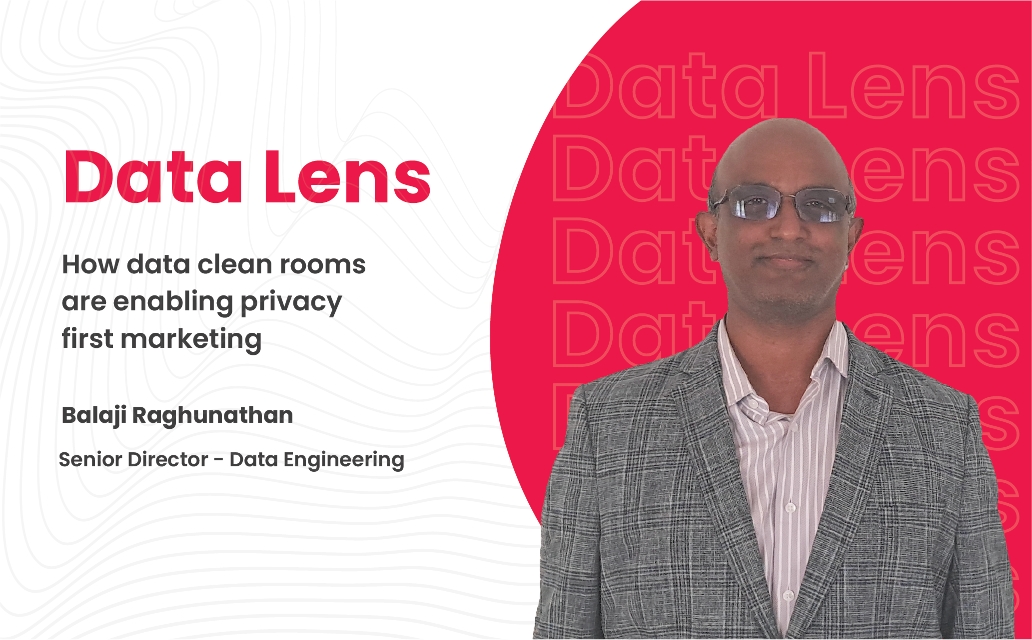
DATA LENS
### How data clean rooms are enabling privacy-first marketing
[Watch video](https://www.youtube.com/watch?v=f3jR7x6qDKs&list)
## FAQs
Expand all
#### How can an effective data analytics strategy improve enterprise decision-making?
An enterprise-grade data analytics strategy ensures the right data is captured, governed, and made accessible to decision-makers in real time. Sigmoid helps organizations align business priorities with AI-driven analytics frameworks, enabling leaders to identify trends, mitigate risks, and optimize investments with confidence. A well-defined strategy improves speed, accuracy, and accountability in decision-making. By helping decision-makers identify trends, patterns, and correlations, a strong data analytics strategy aids in [mitigating risks](/risk-and-compliance/) and optimizing resource allocation, ultimately driving improved decision-making.
#### What role does AI-enabled data governance play in a comprehensive strategy?
AI-powered data governance ensures data quality, consistency, and compliance across enterprise systems. Sigmoid integrates automated validation, policy enforcement, lineage tracking, and stewardship models into governance frameworks that maintains data integrity while enabling scalable AI adoption. With our [data governance practices](/ebooks-whitepapers/data-governance-with-cataloging/), organizations can enhance data trustworthiness, promote data sharing and collaboration, enable compliance with regulations, and support the alignment of data initiatives with their business objectives.
#### How does Sigmoid’s data strategy approach enhance operational efficiency?
Sigmoid’s data strategy consulting services establish structured roadmaps that eliminate data silos and modernize legacy systems. By enabling workflow automation, platform integration, and cloud-ready data architectures, Sigmoid improves operational efficiency across supply chain, finance, marketing, and customer analytics functions.
#### How does an enterprise data analytics strategy improve cross-functional collaboration?
A unified enterprise analytics strategy establishes standardized metrics, shared data definitions, and governed access models. Sigmoid enables Data Mesh architectures and data-as-a-product frameworks that promote transparency, interoperability, and real-time collaboration across business units. By [breaking down data silos](/data-mesh/) and fostering a culture of data-driven collaboration, organizations can make more informed decisions and build more cohesive business strategies.
#### What are the key steps in creating a data analytics strategy?
Sigmoid recommends a structured, outcome-driven approach:
Define objectives: Clearly outline the goals and objectives you aim to achieve with data analytics.
Assess current state: Evaluate existing data infrastructure, analytics tools, and team capabilities.
Identify data sources: Determine the sources of data needed to support your analytics initiatives.
Data quality assurance: Ensure data integrity, accuracy, and consistency through proper quality assurance processes.
Choose analytics techniques: Select appropriate analytics techniques such as descriptive, diagnostic, predictive, or prescriptive analytics based on business needs.
Build infrastructure: Develop or enhance data infrastructure to support analytics processes effectively.
Implement tools and technologies: Choose and deploy analytics tools and technologies that align with your strategy and infrastructure.
Establish governance: Define data governance policies to ensure compliance, security, and privacy standards are met.
Skill development: Provide training and development opportunities for the team to enhance their analytical skills.
Monitor and iterate: Continuously monitor performance, gather feedback, and iterate on the strategy to adapt to changing business needs and technological advancements.
#### What are the business benefits of having an enterprise data analytics strategy?
With Sigmoid’s enterprise data strategy framework, organizations achieve:
Faster, evidence-based decision-making across leadership teams
Improved operational efficiency through workflow automation and platform integration
Reduced risk and stronger regulatory compliance with embedded governance controls
Optimized cloud and infrastructure costs through better data architecture design
Accelerated AI and ML adoption with AI-ready data foundations
Enhanced customer personalization driven by unified, high-quality data
Enterprise-wide performance visibility through standardized KPIs and reporting
Stronger cross-functional collaboration by eliminating data silos and enabling shared data assets
Improved data quality, trust, and accountability through automated monitoring and stewardship
Greater innovation velocity by enabling experimentation and rapid deployment of new analytics use cases
Sustainable competitive advantage powered by scalable, future-ready data ecosystems
Create an AI-first enterprise data strategy for tangible business outcomes
Talk to our AI experts
---
## Navigation
- [WordPress.org](https://wordpress.org/)
- [Documentation](https://wordpress.org/documentation/)
- [Learn WordPress](https://learn.wordpress.org/)
- [Support](https://wordpress.org/support/forums/)
- [Feedback](https://wordpress.org/support/forum/requests-and-feedback)
- [Sigmoid](https://www.sigmoid.com/)
- [Community](https://community.wpmanageninja.com/portal/space/fluent-forms/home)
- [Docs](https://wpmanageninja.com/docs/fluent-form/)
- [Developer Docs](https://developers.fluentforms.com/)
- [Documentation](https://imagify.io/documentation/)
- [Rate Imagify on WordPress.org](https://wordpress.org/support/view/plugin-reviews/imagify?rate=5#postform)
- [Manage](admin.php?page=litespeed)
- [Settings](admin.php?page=litespeed-cache)
- [Image Optimization](admin.php?page=litespeed-img_optm)
- [Company](/about-sigmoid)
- [Newsroom](/newsroom)
- [Life at Sigmoid](/careers)
- [Takshashila](/takshashila)
- [Contact Us](/contact-us)
- [AI Strategy Blueprint your AI advantage](/enterprise-ai-strategy/)
- [Generative AI Drive innovation with Generative AI](/generative-ai/)
- [Responsible AI Build trust with ethical AI practices](/responsible-ai-in-enterprise/)
- [Agentic AI Reshape business with scalable agentic systems](/agentic-ai-solutions/)
- [AI Managed Services Ensure reliable AI performance](/ai-managed-services/)
- [Advanced Analytics Transform your business with data-driven insights](/advanced-data-analytics-solutions/)
- [Start Assessment](/agentic-ai-readiness-index/)
- [Data Strategy Strong data foundations for scalable AI](/data-analytics-strategy/)
- [Data Management Leverage data as a strategic asset](/ai-data-management-services/)
- [Data Ops Automate data for speed and quality](/data-devops/)
- [Data Engineering Deliver insights faster with scalable pipelines](/data-engineering/)
- [Cloud Transformation Modernize data to maximise efficiency](/cloud-migration/)
- [Download Whitepaper](/ebooks-whitepapers/building-data-products-in-a-data-mesh-to-drive-business-value/)
- [Data Modeling Structure data for better decisions](/data-modeling-services/)
- [Data Visualization Transform data into actionable stories](/data-visualization-service/)
- [BI Migration Enhance decision making with modern BI tools](/bi-migration/)
- [Data Observability Build trust with healthy, accurate data](/data-observability/)
- [Automated Insights Make smarter decisions with auto-generated insights](/automated-insights/)
- [Download Whitepaper](/ebooks-whitepapers/power-bi-hacks/)
- [CPG & Retail End-to-end analytics for planning, operations, and commercial excellence](/industries/cpg-analytics/)
- [Life Sciences Trusted intelligence across clinical, commercial, and operational workflows](/industries/life-sciences/)
- [Financial Services AI-powered analytics for risk, compliance and customer experience](/industries/banking-financial-analytics-services/)
- [Read case study](/case-studies/data-clean-room-enables-real-time-insights-to-improve-operational-efficiency/)
- [MediaIQ Advanced platform for in-flight marketing measurement](/accelerators/sigmoid-mediaiq-multi-touch-attribution-tool/)
- [CampaignIQ AI-driven platform for optimized campaign budget allocation](/accelerators/sigmoid-campaigniq/)
- [AssistBot GenAI email assistant that automates human-like responses](/accelerators/sigmoid-assistbot-for-ai-email-assistant/)
- [CreativeBot GenAI tool for personalized and brand-aligned creative design](/accelerators/sigmoid-creativebot/)
- [SocialBot GenAI platform to analyze digital conversations and trends](/accelerators/#marketing|socialbot)
- [DemandIQ Predict trends accurately and optimize inventory management](/accelerators/sigmoid-demandiq/)
- [NetworkIQ Track and optimize logistics operations in real-time to quickly address disruptions](/accelerators/sigmoid-networkiq/)
- [SupplyIQ End-to-end platform to optimize supply chain operations](/accelerators/sigmoid-supplyiq/)
- [ProcurementIQ Automated procurement operations for maximum savings, compliance and efficiency](/accelerators/sigmoid-procurementiq/)
- [RapidML Accelerated deployment for machine learning models](/accelerators/sigmoid-rapidml/)
- [DataGuard Comprehensive platform for proactive data quality management](/accelerators/data-quality-tool-sigmoid-dataguard/)
- [CloudPulse Cloud cost optimization platform with multi-cloud management](/accelerators/sigmoid-cloudpulse/)
- [RAPID GenAI foundation with built-in governance and cost clarity](/accelerators/sigmoid-rapid/)
- [AnalyticsBot GenAI based platform to streamline decision-making in analytics](/accelerators/sigmoid-analyticsbot/)
- [DataConnect Seamlessly ingest, integrate and harmonize data from diverse sources](/accelerators/sigmoid-dataconnect/)
- [Reconica AI-powered data harmonization and reconciliation engine](/accelerators/sigmoid-reconica/)
- [ConverseBot GenAI driven insights generation for automated insights from reports](/accelerators/#sales|conversebot)
- [iNRM Cross-lever revenue growth optimization platform](/accelerators/sigmoid-inrm/)
- [AssortmentIQ Optimize shelf layouts and assortment mix at scale with AI-based insights](/accelerators/sigmoid-assortmentiq/)
- [Read Whitepaper](/ebooks-whitepapers/building-agentic-ai-chatbots-for-business-process-transformation/)
- [Listen Podcast](/events/podcast/how-jack-in-the-box-is-redefining-personalization-and-supply-chain-with-ai/)
- [Blogs](/blogs/)
- [White Papers](/ebooks-whitepapers/)
- [Case Studies](/case-studies/)
- [Podcast](/events/podcast/#Podcasts)
- [Read Blog](/blogs/the-genai-adoption-triad-responsibility-ethics-and-explainability/)
- [ConverseBot](/accelerators/#sales|conversebot/)
---
## Footer Links
- [Talk to our AI experts](/contact-us/)
- [AI Strategy](/enterprise-ai-strategy/)
- [Agentic AI](/agentic-ai-solutions/)
- [Generative AI](/generative-ai/)
- [AI Managed Services](/ai-managed-services/)
- [Responsible AI](/responsible-ai-in-enterprise/)
- [Advanced Analytics](/advanced-data-analytics-solutions/)
- [Data Strategy](/data-analytics-strategy//)
- [Data Engineering](/data-engineering/)
- [Data Management](/ai-data-management-services/)
- [Cloud Transformation](/cloud-transformation/)
- [Data Ops](/data-devops/)
- [Data Visualization](/data-visualization-service/)
- [Automated Insights](/automated-insights/)
- [BI Migration](/bi-migration/)
- [Data Modeling](/data-modeling-services/)
- [Data Observability](/data-observability/)
- [CPG & Retail](/industries/cpg-analytics/)
- [Financial Services](/industries/banking-financial-analytics-services/)
- [Life Sciences](/industries/life-sciences/)
- [Case Studies](/case-studies/)
- [Thought Leadership](/ebooks-whitepapers/)
- [Blogs](/blogs/)
- [Company](/about-sigmoid/)
- [Newsroom](/newsroom/)
- [Accelerators](/accelerators/)
- [Careers](/careers/)
- [Privacy Policy |](/privacy-policy/)
- [Cookie Policy](/cookie-policy/)